

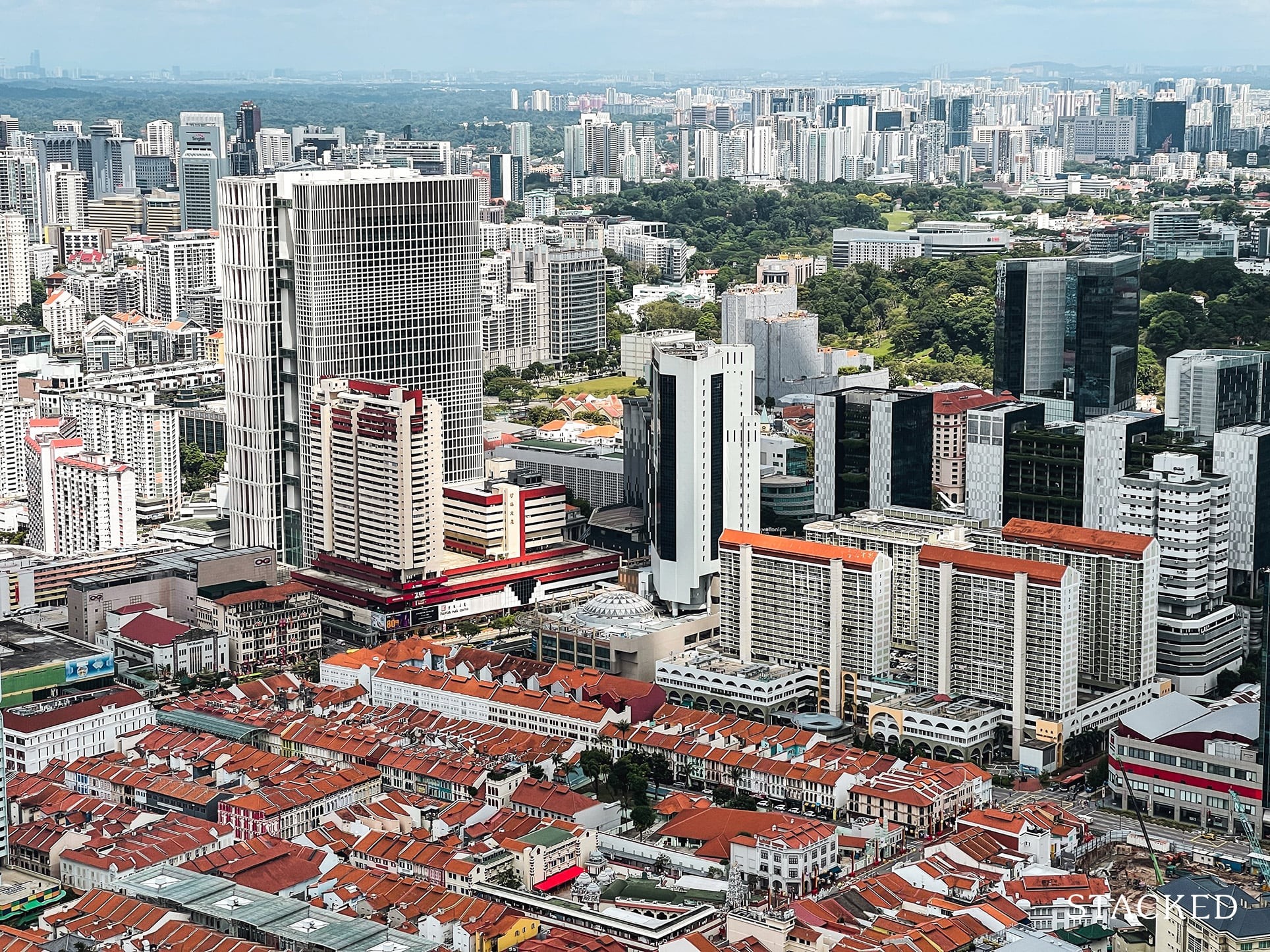
In many property markets around the world, buyers often prioritize size, design, or interior finishes when making a purchase decision. However, Singapore’s real estate market operates differently. Due to land scarcity, strict planning policies, and strong demand concentration, location strategy consistently outweighs property size when it comes to long-term value and investment performance.
Understanding this principle is essential for anyone looking to invest wisely in Singapore’s highly competitive property landscape.
The Scarcity Effect in Singapore Property
Singapore is a small city-state with limited land resources. As a result, land allocation is carefully managed through long-term urban planning. This creates a natural scarcity effect, where properties in strategic locations become increasingly valuable over time.
Even if two properties have similar layouts or facilities, the one in a better location will almost always outperform in both resale value and rental demand. This is because location determines access to jobs, transport, schools, and lifestyle amenities—all of which directly influence buyer and tenant behavior.
Connectivity as a Value Multiplier
One of the strongest indicators of property performance in Singapore is connectivity. Proximity to MRT stations, expressways, and key business districts significantly enhances a property’s attractiveness.
Tenants in Singapore place a high priority on convenience. A home that reduces commuting time is far more desirable than a larger unit located in a less accessible area. This is why properties near MRT lines consistently command higher rental demand.
For example, developments in emerging growth corridors such as Jurong are benefiting from improved transport infrastructure. Projects like Lucerne Grand are strategically positioned to take advantage of this connectivity-driven growth, making them attractive for both homeowners and investors focused on long-term appreciation.
Size vs Usability: A Changing Buyer Mindset
While larger units may seem more appealing on paper, modern buyers are increasingly prioritizing layout efficiency over sheer size. A well-designed compact unit can often feel more spacious and functional than a larger but poorly planned apartment.
This shift in mindset is particularly evident among younger buyers and working professionals, who value convenience, location, and accessibility over excess space.
As a result, smaller units in prime or well-connected areas often outperform larger units in less desirable locations.
Location and Rental Demand Dynamics
Rental demand in Singapore is heavily location-driven. Tenants are typically willing to pay a premium for properties that reduce commuting time and offer access to key amenities.
Areas close to business hubs, MRT stations, and lifestyle centers tend to attract a wider tenant pool, resulting in lower vacancy rates and more stable rental income.
Even in the luxury segment, location remains a decisive factor. High-end tenants prioritize convenience alongside exclusivity, especially expatriates who value proximity to the Central Business District and international schools.
Waterfront developments such as Island Residences demonstrate how location enhances lifestyle appeal. Despite differences in unit size, such properties maintain strong demand due to their strategic positioning near both urban and leisure destinations.
Urban Planning and Future Value Growth
Singapore’s government-led urban planning plays a crucial role in shaping property values. Areas identified for future development often experience gradual appreciation as infrastructure projects are rolled out.
This means that location is not just about current convenience—it is also about future potential. Properties located in planned growth districts tend to benefit from long-term value appreciation as new amenities and transport links are introduced.
Investors who understand government master plans are often able to identify undervalued areas before they fully mature.
Psychological Value of Location
Location also carries psychological value for buyers. Certain districts are perceived as more prestigious due to historical development, branding, and lifestyle association.
For example, central and waterfront areas are often associated with luxury and exclusivity, while emerging districts are viewed as growth opportunities. These perceptions directly influence pricing and demand behavior.
Even when two properties offer similar specifications, perceived location value can create significant price differences.
Liquidity and Resale Advantage
Another often-overlooked benefit of strong location is liquidity. Properties in prime or well-connected areas are generally easier to sell, even during market downturns.
This is because demand remains consistent across different buyer segments, including homeowners, investors, and foreign buyers.
In contrast, properties in less connected areas may take longer to sell and may require price adjustments to attract buyers.
Long-Term Investment Perspective
For investors, focusing on location rather than size leads to more stable long-term returns. While large units may offer comfort, they do not always translate into stronger appreciation or rental performance.
A well-located property with moderate size often outperforms a larger property in a weaker location over a full market cycle.
This is why experienced investors prioritize:
- Proximity to MRT stations
- Access to business districts
- Future infrastructure developments
- Demand density in surrounding areas
Final Thoughts
In Singapore’s property market, location is not just one factor among many—it is the foundation of value creation. Size, design, and amenities all play supporting roles, but they cannot compensate for poor location.
Whether investing in emerging districts or established prime areas, understanding location dynamics is essential for long-term success.
As Singapore continues to evolve through strategic urban planning, properties that are well-positioned within growth corridors, transport networks, and lifestyle hubs will continue to outperform in both capital appreciation and rental demand.
Ultimately, smart investors focus less on how big a property is and more on where it is located—and where that location is headed in the future.